
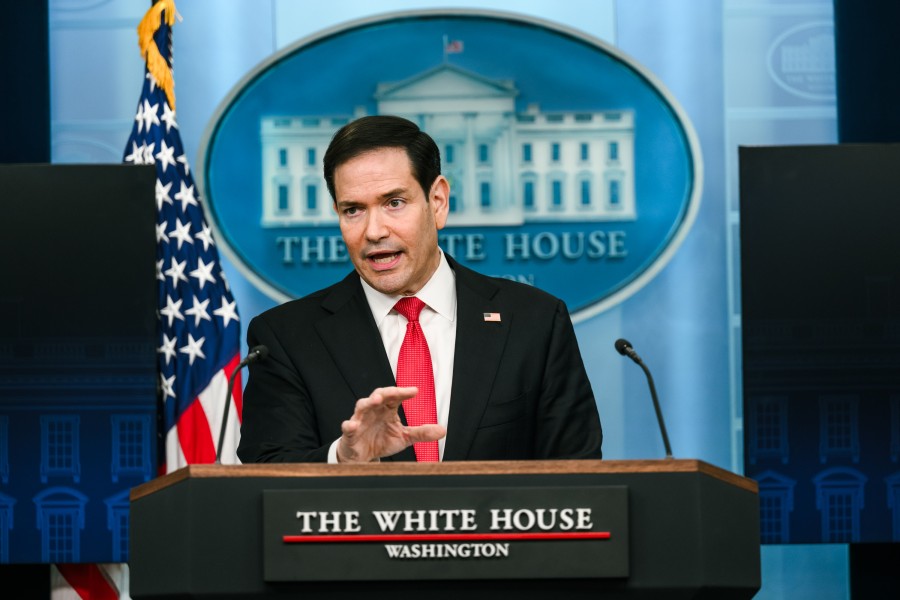
During a recent diplomatic visit to the Gulf, US Secretary of State Marco Rubio pledged that the Strait of Hormuz will remain accessible for international shipping, ensuring that no nation, including Iran, can impose tolls or fees on this crucial maritime route. Rubio’s tour, which includes meetings with officials from the United Arab Emirates, Kuwait, and Bahrain, seeks to bolster trust among US allies following the recent ceasefire agreement between Washington and Tehran.
Rubio emphasized that the freedom of navigation through the Strait of Hormuz is safeguarded under international law. This assurance is particularly significant for Gulf countries, which are concerned about the potential increase in Iranian influence should the nation gain access to previously frozen funds. The ceasefire agreement, currently in place, permits a 60-day period of unrestricted passage through the strait, with further discussions anticipated to address the management of maritime activities involving Iran and neighboring countries.
Gulf states are also keen on securing guarantees that any financial relief directed to Iran will not be utilized to enhance its military capabilities. Despite these concerns, Iran has firmly rejected the inclusion of its ballistic missile program in any forthcoming negotiations, citing its necessity for national defense purposes.
These discussions occur amid ongoing regional tensions, with unresolved issues related to nuclear monitoring, sanctions relief, and broader security arrangements. Rubio reiterated the United States’ commitment to safeguarding its allies and ensuring stability within the Gulf region. As these complex diplomatic exchanges unfold, the focus remains on maintaining a balance between regional security and diplomatic engagement.