
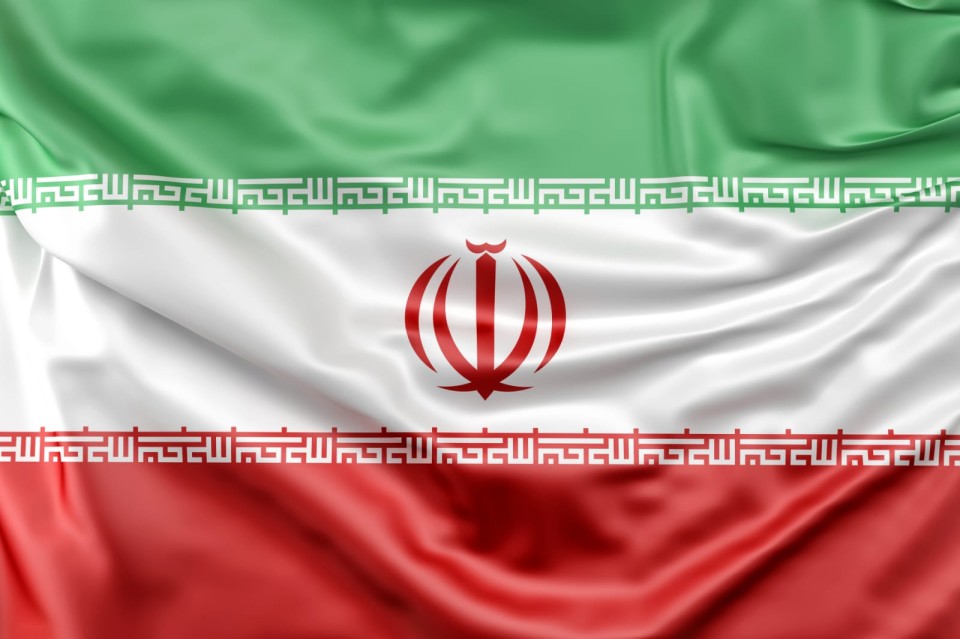
In a significant diplomatic development, Iran has consented to the return of inspectors from the International Atomic Energy Agency (IAEA) to oversee its nuclear facilities. This decision is part of a wider agreement with the United States intended to mitigate regional tensions and work towards a durable diplomatic resolution. This accord was reached after exhaustive negotiations lasting nearly 18 hours in Switzerland, involving officials from both Iran and the United States, with mediation by representatives from Qatar and Pakistan. The discussions were centered on executing a recent memorandum of understanding, which aims to facilitate a comprehensive agreement within the next two months.
US Vice President JD Vance hailed the return of the UN nuclear inspectors as a crucial move towards ensuring transparency in Iran’s nuclear operations. Nevertheless, Iranian representatives were quick to point out that no final concessions have been agreed upon and that any forthcoming deal must be sanctioned by Iran’s national security leadership. As part of the evolving pact, the United States is preparing to issue a temporary 60-day waiver on sanctions affecting Iran’s oil, petrochemical, and related exports. This would enable Tehran to recommence broader international oil sales and receive payments through formal financial channels, offering some economic relief to the nation.
Additionally, the agreement seeks to reopen the strategically vital Strait of Hormuz, a key global energy shipping corridor. Initial reports indicate a resumption of tanker traffic, as commercial vessels have started navigating through this channel. To address security concerns in the region, a new coordination mechanism has been established involving the United States, Iran, and Lebanon. This initiative aims to prevent further escalation and bolster ceasefire efforts in Lebanon. Iranian officials have consistently maintained that halting Israeli military actions in Lebanon is crucial for the broader agreement’s success.
Despite these advancements, several critical issues remain unresolved. These include the extent of future nuclear inspections, the implementation of sanctions relief, and the long-term stability of regional ceasefire arrangements. Technical teams from the involved parties are set to continue discussions in the ensuing weeks to iron out these details.