
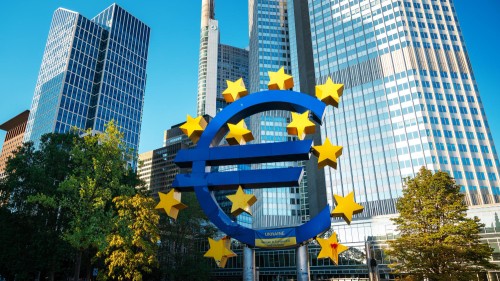
In a move aimed at curbing inflation, the European Central Bank has lifted interest rates for the first time since 2023, largely in response to surging energy costs spurred by the ongoing conflict in Iran. The bank’s main deposit rate now stands at 2.25%, up from the previous 2%, with financial markets bracing for further hikes if inflationary pressures do not ease.
May 2026 saw inflation in the eurozone rise to 3.2%, a slight increase from 3% in April. Much of this uptick is attributable to rising oil and gas prices, which have been pushed higher by global supply disruptions. Despite this, the ECB continues to aim for an official inflation target of 2%. The economic outlook remains uncertain, as geopolitical tensions threaten to keep energy prices high, which could continue to strain consumer prices across the region.
Alongside the interest rate increase, the ECB revised its growth forecasts for the eurozone, citing weaker demand and persistent global instability as factors behind the lowered expectations. This shift indicates a prioritization of controlling inflation over immediate economic growth concerns. The ongoing volatility in energy markets is also influencing monetary policy decisions globally, with central banks in the United States and the United Kingdom closely monitoring inflation trends.
Experts are divided on how aggressive the ECB’s approach will be in its tightening cycle. While some anticipate one or two more rate hikes, others suggest that the slowing pace of economic growth may deter further action. As the ECB navigates this challenging economic landscape, it must balance the need to manage inflation with the potential impact on growth.