
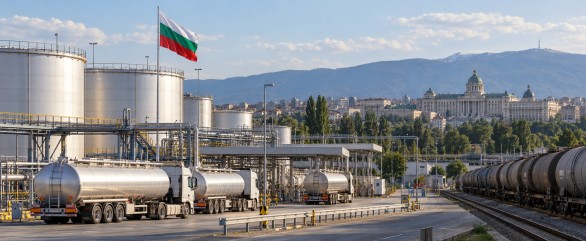
Bulgaria is grappling with soaring fuel prices, as the nation recorded the highest annual increase in fuel costs among European Union member states in August 2026, with a staggering 34.5% rise. Amid this backdrop, the Bulgarian National Assembly has decided to repeal a temporary measure that restricted the export and intra-EU supply of petroleum products, effective from September 23, 2026.
The restriction, initially enacted in October 2025, was lifted following a parliamentary vote. Deputy Economy Minister Mihaela Karadimova explained the change, stating that the risks which prompted the original measure have been resolved. She noted that maintaining the restriction was causing unnecessary administrative burdens for fuel companies. Karadimova emphasized that Bulgaria currently has adequate fuel supplies, countering concerns of potential shortages in the domestic market.
The decision to rescind the export restriction has been met with some opposition in parliament. Critics argue that removing the measure might exacerbate pressure on domestic fuel prices and supply, potentially disadvantaging Bulgarian consumers. These lawmakers are urging the government to implement safeguards to ensure sufficient fuel availability within the country.
As of the decision date, the average price of A95 petrol in Bulgaria stood at approximately €1.69 per litre, while diesel was priced around €1.95 per litre. These figures underscore the financial burden on consumers amid a broader trend of rising energy costs across the EU.
Despite the contentious nature of the decision, Bulgarian authorities remain confident in their ability to manage the domestic fuel market without the export restrictions. The move is seen as a step towards aligning with the EU principle of free movement of goods, which was temporarily set aside when the restrictions were initially imposed.