
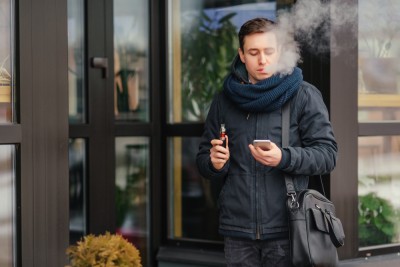
While many consider vaping a less harmful substitute for smoking, health professionals caution that e-cigarettes containing nicotine can still negatively impact the body, especially the skin. Emerging research indicates that vaping might disrupt the skin’s natural healing abilities, potentially leading to inflammation and acne.
Nicotine’s effect on the body includes constricting small blood vessels, which diminishes the delivery of oxygen and essential nutrients to the skin. This healthy circulation is crucial for the repair of acne scars, minor injuries, and other skin irritations. When blood flow is compromised, the skin’s healing process can be significantly delayed.
Beyond circulation issues, vaping introduces the body to chemicals that heighten oxidative stress and inflammation, contributing to a lackluster complexion. For some individuals, this can aggravate acne or make existing skin outbreaks harder to manage. While the link between vaping and acne is still under investigation, and vaping shouldn’t be singled out as the sole culprit for skin issues, factors like hormones, diet, genetics, and skincare routines are also vital to skin health.
For those who adhere to a regular skincare regimen but still face persistent inflammation, delayed healing, or frequent breakouts, it may be worth considering whether nicotine consumption is a contributing factor. Medical experts stress that achieving healthy skin is not solely reliant on topical treatments but also depends on internal factors such as circulation, inflammation, and the body’s ability to mend damaged tissues.