
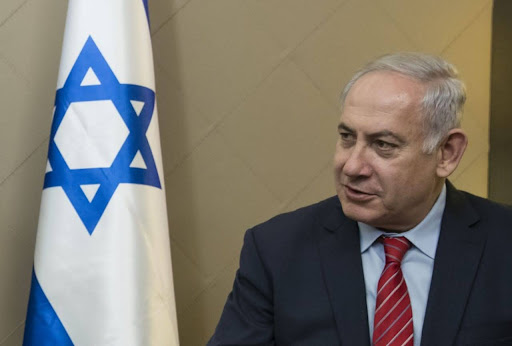
In a press conference that covered everything from battlefield updates to regional infrastructure plans, Israeli Prime Minister Benjamin Netanyahu declared Friday that Iran has been rendered incapable of enriching uranium or producing ballistic missiles following twenty days of warfare. He rejected claims about Israel’s role in bringing the US into the conflict, labeling them misinformation. Netanyahu expressed confidence throughout the session, saying the war was heading toward an end sooner than public expectations suggested.
Netanyahu was expansive in his characterization of the Trump-Israel alliance. He said no two leaders in modern memory had achieved such a high level of coordination, while being careful to describe Trump as the leading figure in the partnership. Netanyahu revealed that it was Trump who articulated the nuclear threat from Iran in a way that deepened his own understanding, presenting this as a sign of the quality and depth of their relationship.
Operational details shared at the press conference included confirmation that Israel acted alone in striking Iran’s South Pars gas compound, a massive energy installation at Asaluyeh. Netanyahu also disclosed that Trump had reached out asking him to hold back from further attacks on Iranian gas infrastructure. He presented this communication as evidence of a close and functional wartime dialogue between the two governments.
Netanyahu dismissed Iran’s Hormuz threats without hesitation, calling them blackmail directed at the entire international community. He called for building overland pipelines stretching from the Gulf through the Arabian Peninsula to Israeli and Mediterranean ports, replacing the strategic bottleneck that Hormuz represented. Netanyahu saw this as a long-overdue infrastructure investment that would bring enduring stability to global energy markets.
Looking at Iran’s internal situation, Netanyahu described a leadership structure showing visible cracks. The absence of Mojtaba, the anticipated new supreme leader, from any public setting was a clear signal to Netanyahu that something was seriously wrong at the top. He believed these internal tensions were contributing to conditions that would bring the war to a close sooner than the world expected.