
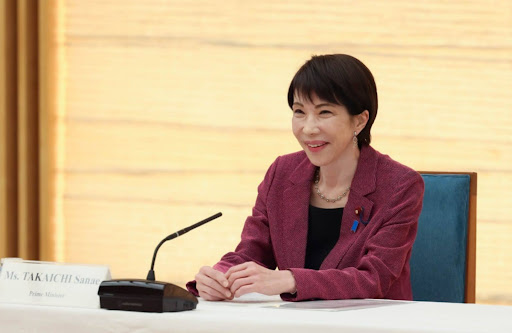
Prime Minister Sanae Takaichi has ordered the biggest-ever release of Japan’s strategic oil reserves, with 80 million barrels scheduled for distribution to domestic refiners starting Thursday. The decision, driven by escalating Middle East conflict between the United States, Israel, and Iran, reflects Japan’s acute vulnerability as a nation that imports more than 90% of its crude from the region. Takaichi framed the move as essential to preserving Japan’s economic stability and protecting households from supply disruptions.
The 80 million barrel release, equivalent to 45 days of domestic consumption, is 1.8 times larger than the previous record deployment made in the wake of the 2011 Fukushima nuclear disaster. Japan’s total strategic reserves stood at approximately 470 million barrels at the end of last year — enough to cover over 250 days of national demand. The scale of both the existing reserves and the current release reflects the seriousness with which Japan takes energy security planning.
An earlier decision to release 15 days’ worth of private-sector petroleum reserves had already been approved before this state-level deployment was announced. Together, the two measures amount to one of the largest coordinated petroleum reserve activations in Japanese history. Refiners are expected to integrate the released supplies smoothly into their operations, minimizing disruption to downstream fuel supply.
The government has paired the reserve release with fuel price subsidies that cap gasoline at around ¥170 per litre, having been introduced after retail prices climbed to a record ¥190.8. Subsidies will be recalibrated weekly based on real-time oil price data. The trade ministry has signaled that additional support measures could follow if global oil prices continue to escalate.
Takaichi’s international diplomacy has been firmly grounded in Japan’s constitutional values, with the prime minister declining to send naval forces to the Strait of Hormuz despite direct pressure from Washington. She has pledged intensive diplomatic engagement to help bring peace to the Middle East, which she described as essential not just for Japan but for the entire international community. Japan’s response to this crisis will be defined by barrels, diplomacy, and resolve — not warships.